

5 Surprising Brain Benefits of Playing Puzzle Games
Video games often get a bad rap, but research continues to show that they can have profound positive effects on the brain. Puzzle and strategy games, in particular, are like a gym for your mind. They challenge your memory, problem-solving skills, and reaction time. Here are 5 surprising ways playing games can boost your brainpower.
1. Enhanced Problem-Solving Skills
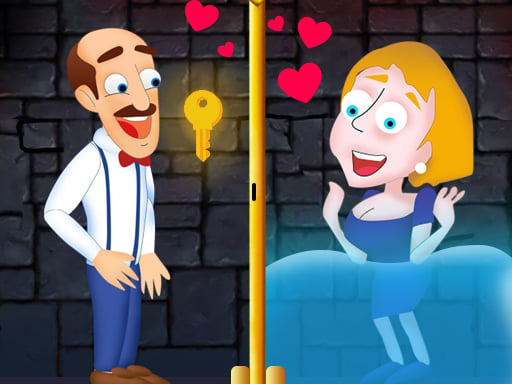
Games like Hero Rescue require you to think several steps ahead. By presenting you with complex logic puzzles—like deciding which pin to pull to save the hero—these games train your brain to analyze situations and foresee consequences. This ability to simulate future outcomes is a key component of critical thinking.
2. Improved Focus and Attention
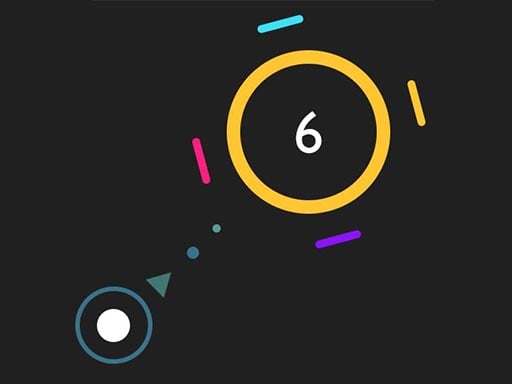
In our distraction-filled world, maintaining focus is a superpower. Games like Color Shot throw the ball demand absolute concentration. You must wait for the precise millisecond to act, training your brain to filter out distractions and sustain attention on a single task for extended periods.
3. Faster Reaction Times
Fast-paced mini-games, such as those found in 12 MiniBattles, force your brain to process visual information and execute motor commands in a split second. This rapid cognitive processing can improve your reaction times in real-world activities, from driving to playing sports.

4. Social Intelligence and Deduction
Social deduction games like Among Us Online Edition are fascinating social experiments. They require you to read behavior, identify patterns, and understand human psychology. Figuring out who the "impostor" is involves complex social reasoning and theory of mind—understanding that others have beliefs and intentions different from your own.
5. Boosted Creativity
Sandbox games like Mine-Craft.io offer a blank canvas for your imagination. Building structures, designing landscapes, and solving architectural problems stimulates the creative centers of the brain. It encourages divergent thinking—the ability to generate multiple unique solutions to a problem.

So the next time someone tells you to put down the controller, you can tell them you're training your brain!